Utrecht Canals & Medieval Landmarks: The Heritage Canvas
While modern architecture anchors Winthontlaan, the historic core of Utrecht reveals an unmatched medieval urban fabric centered on two-level canals and the iconic Dom Tower.
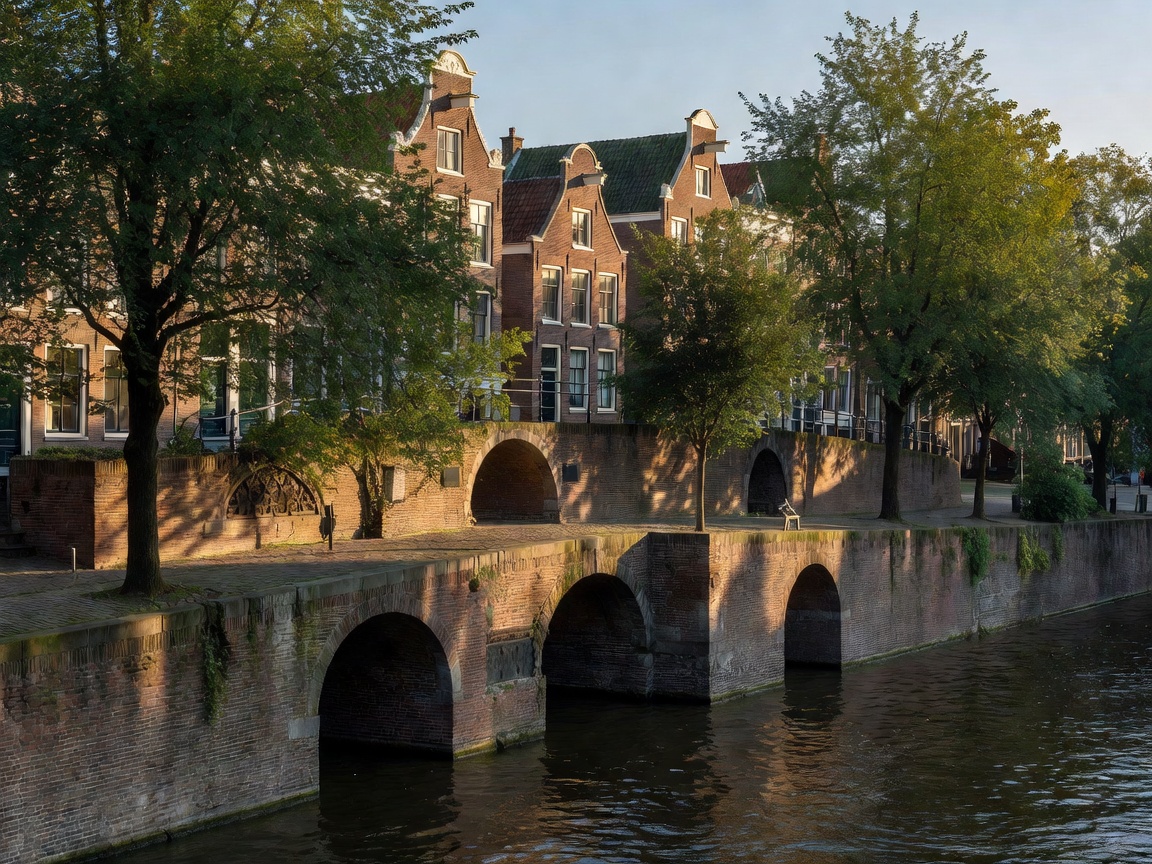
The World-Unique Split-Level Canals (Oudegracht & Nieuwegracht)
Unlike Amsterdam’s canals, which sit nearly level with street-side townhouses, Utrecht’s Oudegracht (Old Canal) and Nieuwegracht (New Canal) feature a two-tiered architectural profile engineered in the 12th and 13th centuries. Medieval town planners dug out the canal bed and established artificial stone wharves (werven) at waterline height to unload cargo barges. Directly behind these low-lying quays, merchants hollowed out barrel-vaulted brick storage cellars (werfkelders) running deep underneath street-level houses.
Today, these historic wharf vaults have been reincarnated into waterside restaurants, microbreweries, contemporary design studios, and candlelit wine cellars. Guests can sit inches away from cruising canal boats while historic brick bridges and weeping willow trees frame the water reflections above.
The Dom Tower (Domtoren): Symbol of the City
Dominating every skyline vista across Utrecht is the Dom Tower. Reaching 112.5 meters in height, it stands as the tallest church tower in the Netherlands. Originally erected between 1321 and 1382 as part of the Cathedral of Saint Martin, the tower was dramatically detached from the church nave during a ferocious tornado storm in 1674. Today, the Domplein square occupies the open space where the cathedral nave once stood.
Following an extensive multi-year restoration project, visitors can once again climb its 465 stone steps or take the modern panoramic elevator to inspect the historic bells, the grand St. Michael’s Chapel, and an unmatched 360-degree panorama extending to Amsterdam and Rotterdam on clear days.
| Historic Landmark | Period / Era | Key Architectural Significance | Visitor Experience |
|---|---|---|---|
| Domtoren & Dom Church | 14th Century Gothic | Free-standing 112m tower and surviving Gothic choir | Guided stair climb, bell carillon concerts, crypt tours |
| Oudegracht Wharves | 12th–14th Century | Split-level quay walls and vaulted storage cellars | Waterside terrace dining, electric boat rental, walking |
| Rietveld Schröder House | 1924 (De Stijl) | UNESCO World Heritage modernist domestic dwelling | Architectural tours of transformative moving walls |
| Spoorwegmuseum | 19th c. Maliebaan Station | Preserved royal railway depot and historic train collection | Interactive railway history and Victorian station halls |
Cruising and Navigating the Waterways
Experiencing Utrecht from the waterline is an essential component of any weekend itinerary. Several environmentally sustainable options are accessible year-round:
- Self-Drive Electric Sloops: Quiet electric runabouts can be rented along the Weerdsluis or Paardenveld basins, requiring no boat license. Navigating around the Singel (outer moat) and into the Oudegracht takes approximately 90 minutes.
- Guided Historical Canal Cruises: Large glass-topped tour boats depart regularly from the Viebrug, featuring multi-lingual commentary detailing medieval guild trades and bishopric rule.
- Canal Kayaking & SUP: During warmer spring and summer afternoons, paddlers launch directly from wharf cellars to paddle alongside water-level cafe terraces.
How to Connect from Hotel Utrecht
From the lobby of Van der Valk Hotel Utrecht, visitors simply take the rapid tram from Transferium Westraven directly to Utrecht Centraal or Vaartsche Rijn. From Vaartsche Rijn, a gentle 5-minute stroll delivers you directly to the southern tip of the Oudegracht (Twijnstraat), allowing you to traverse the prettiest stretch of wharf cellars northward toward the Domplein.